

Healthcare app ideas are transforming smartphones into portable laboratories and digital lifelines as global health systems face unprecedented pressure. This mandatory shift toward innovation is driven by critical doctor shortages and the rapid rise of chronic diseases worldwide. We present 12 high-impact concepts designed to bridge real market gaps and solve the most pressing clinical pain points. These breakthroughs, ranging from AI diagnostics to remote monitoring, represent the next frontier of the $198 billion digital health market.
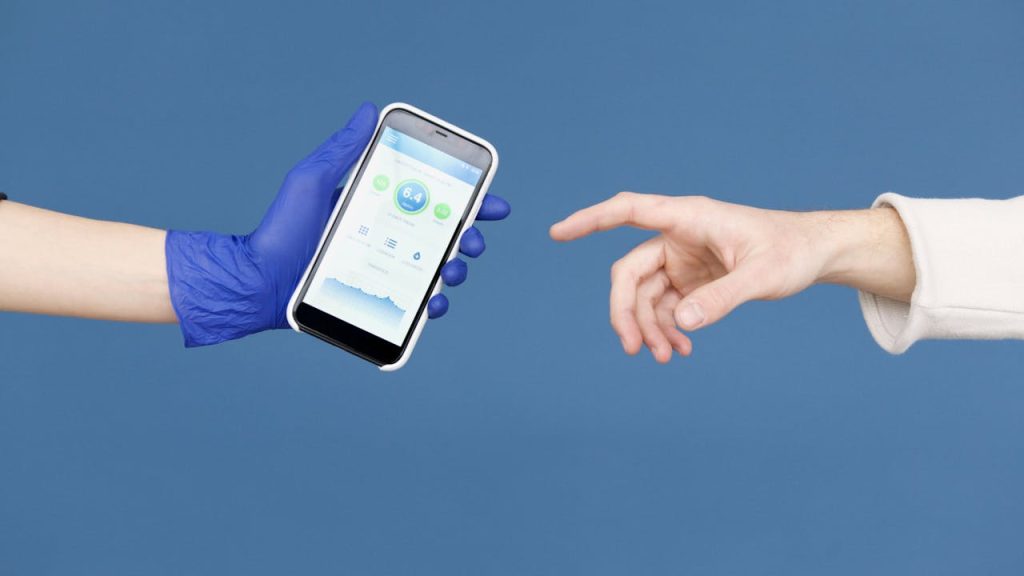
The technological revolution has reached a tipping point where our smartphones are no longer just communication devices, but a fusion of portable laboratories, mental lifelines, and digital administrators. By 2026, the Medical Technology (MedTech) market is no longer a „nice-to-have” category; the unsustainability of global healthcare systems—driven by doctor shortages, aging populations, and an explosion in chronic diseases—has forced the sector onto a mandatory innovation path. According to Statista’s latest forecast, the value of the global digital health market exceeded 197–198 billion USD in 2025, and with continued expansion in the coming years, it could reach 258 billion USD by 2029. In certain segments – such as Digital Treatment & Care – the market already generated revenue of around 122 billion USD in 2025. Under broader market definitions (including telemedicine, mHealth, and healthcare analytics), other analysts estimate a value exceeding 300–400 billion USD for 2025, with long-term growth potentially reaching an annual rate above 20%.
Today, a good algorithm is not enough for startup founders who must master data interoperability, clinical validation, and user psychology. In this article, we present 12 areas and specific app ideas that build on real market gaps (pain points) and have the potential to become the next unicorn-level breakthroughs.
Strategic Summary
- Clinical Depth: Apps must move beyond the „lifestyle” category into diagnostic support.
- Invisible Data Collection: User retention depends on background sensors and passive tracking.
- B2B2C Model: Success lies in insurer reimbursement rather than direct consumer sales.
- Interoperability: Integration with EMR systems via FHIR standards is now a baseline requirement.
I. Clinical Precision and Remote Monitoring
The highest cost in healthcare is inpatient hospital care which places an immense burden on public and private sectors alike. Every solution capable of keeping a patient safely at home is worth its weight in gold to the system. These apps reduce overcrowding and the risk of costly complications by extending the clinician’s reach into the patient’s living room. By focusing on the critical window of recovery, founders can provide a safety net that currently does not exist in traditional care models.

1. The Virtual Surgical Assistant and Post-Op Guardian
The first two weeks after surgery are the most critical phase of recovery for any patient. Currently, many patients fall into an „information vacuum” after discharge, often leading to unnecessary emergency visits or neglected infections. This application bridge the gap between hospital discharge and the first follow-up appointment. By providing a direct digital link to the surgical team, it ensures that complications are caught long before they require readmission.
- The Problem: Patients are uncertain about wound healing, and hospitals cannot monitor patients once they leave the premises.
- USP (Unique Selling Point): Computer Vision-based wound analysis that alerts the doctor to the slightest change in color or texture indicating inflammation.
- Monetization Tip: Sales to hospital networks with a „readmission reduction” guarantee.
Expert Insight: Integrate Patient-Reported Outcomes (PRO) questionnaires so the AI can correlate subjective pain levels with objective visual data.
Existing Market Examples:
- Healthy.io: Smartphone-based urinalysis and wound care with FDA-validated accuracy.
- Huma: Digital „hospital-at-home” platform with high customization for various surgery types.
2. Oncology Nutri-Genomics: Food as Medicine
During cancer treatment, nutrition is not just a comfort factor; it is a key to biological survival. Chemotherapy-induced taste distortions and metabolic stress cause many patients to lose weight rapidly, which significantly worsens treatment outcomes. This app goes beyond a simple calorie tracker by addressing the physiological changes occurring during oncology treatments. It empowers patients to maintain their strength through personalized, evidence-based dietary interventions that adapt to their changing symptoms.
- The Problem: General recipes ignore specific oncological side effects like metallic taste, extreme nausea, or mouth sores.
- USP: A dynamic recipe algorithm that modifies ingredients based on weekly lab results like albumin or white cell counts.
- Monetization Tip: Premium subscription with direct access to certified oncology dietitians or B2B insurance coverage.
AI Twist: Use Generative AI for „flavor substitution” where the algorithm compensates for bitter taste perceptions with sour or sweet tones.
II. Mental Health and Cognitive Support
The mental health sector in 2026 has moved past the era of simple „self-help journals” or mood trackers. The modern goal is objective feedback based on physiological data, where technology helps bridge the massive therapist shortage. These solutions focus on evidence-based therapies like CBT and exposure therapy, making them accessible to those who cannot afford private sessions. By digitizing these pathways, founders can scale mental healthcare to millions while maintaining clinical quality.

3. VR Exposure Platform: Anxiety Relief in Safety
The most effective way to treat phobias and PTSD is guided exposure, yet it remains inaccessible for many. You cannot realistically put a patient afraid of flying on a plane during every single therapy hour. This application utilizes virtual reality to create immersive, controlled environments where patients can face their fears safely. It allows therapists to simulate complex scenarios—like crowded malls or high-rise buildings—at a fraction of the cost of real-world exposure.
- The Problem: Live exposure therapy is a logistical nightmare, extremely expensive, and often triggers too much avoidance.
- USP: Cloud-synchronized VR environment where the therapist sees the patient’s biometric data (heart rate, skin conductance) in real-time.
- Monetization Tip: B2B license for private clinics and specialized rehabilitation centers.
Expert Insight: Complement the VR experience with haptic feedback for total immersion and more effective desensitization.
Existing Market Examples:
- OxfordVR: Automated VR therapy proven to reduce anxiety without the constant presence of a therapist.
- Amelia Virtual Care: Platform for therapists featuring an extremely wide library of specific phobia environments.
4. The ADHD „External Drive” Assistant
Neurodivergent employees are often extremely talented but struggle with everyday administration and task initiation. This app aims to replace „executive functions” with digital tools that work with the ADHD brain rather than against it. It focuses on reducing the cognitive load of planning and prioritizing, which are the primary friction points for neurodivergent individuals. By providing a structured, visual framework, it allows these professionals to focus on their creative and analytical strengths.
- The Problem: Traditional productivity tools like Jira or Asana overwhelm the neurodivergent brain and cause „task paralysis.”
- USP: A „Smart Chunking” algorithm that breaks complex tasks into dopamine-oriented, 5-minute micro-steps.
- Monetization Tip: B2B SaaS model for companies as part of Diversity, Equity, and Inclusion (DEI) programs.
AI Twist: Develop a „Body Doubling” feature where an AI character „works alongside” the user to maintain focus.
III. Administrative and Logistical Revolution
Significant portions of global healthcare spending are burned on bureaucracy rather than actual healing. Here, technology generates direct profit for stakeholders by eliminating systemic waste and human error. These „back-office” innovations are often the most lucrative for founders because they solve multi-billion dollar inefficiencies. By streamlining how doctors are hired or how medicine is stocked, these apps provide the infrastructure for a more modern medical world.

5. Blockchain-Based Medical Credentialing Wallet
A major problem for hospital administrators is the agonizingly slow onboarding of new medical staff. Manual verification of licenses, diplomas, and malpractice insurance takes weeks, directly hindering patient care and revenue. This app creates a secure, instantly verifiable digital identity for healthcare professionals that travels with them. It eliminates the need for repetitive primary source verification, allowing doctors to start saving lives on day one of their contract.
- The Problem: The credentialing process is outdated, paper-based, expensive, and takes an average of 60 days.
- USP: Decentralized Identifier (DID) based wallet allowing for instant, cryptographic validation of diplomas and licenses.
- Monetization Tip: Transaction fee from hospitals or staffing agencies upon each instant verification.
Expert Insight: Use Zero-Knowledge Proofs (ZKP) to enable instant credential verification without hospitals ever needing to store or handle the doctor’s sensitive personal data.
Existing Market Examples:
- ProCredEx, a digital credentialing network that speeds up data sharing between hospitals.
6. Epidemiological Inventory Predictor
Medication waste and stock shortages are huge environmental and financial burdens on the pharmaceutical supply chain. A smart algorithm can predict what a specific community will need before a surge in demand occurs. This application aggregates diverse data points to help pharmacies and small clinics order proactively rather than reactively. It ensures that life-saving medications are on the shelves exactly when they are needed most, reducing both waste and stock-outs.
- The Problem: Pharmacies and small clinics order reactively, leading to shortages during outbreaks and waste due to expiration.
- USP: Integration of local data sources like Google searches and wastewater analysis into the stock ordering algorithm.
- Monetization Tip: Monthly SaaS fee for pharmacy networks or a percentage of the saved inventory costs.
AI Twist: Implement a „Social Sentiment & Weather Correlation” engine that scrapes local social media trends and hyper-local weather shifts to predict sudden spikes in OTC demand (like flu or allergy meds) 72 hours before they hit the pharmacy counters.
Existing Market Example:
- Zipline, though known for drone delivery, are pioneers of using data-driven logistics to prevent stock-outs.
IV. Special Care and Workflow Optimization
As healthcare moves toward a „precision medicine” model, the focus shifts to the subtle nuances of patient-doctor interactions and the unique needs of high-risk demographics. General-purpose tools are no longer sufficient for specialized departments like pediatrics or elder care, where the „one size fits all” approach often leads to diagnostic delays and clinical burnout. This section explores applications that optimize the most complex healthcare workflows—transforming how doctors document visits and how specialized treatments are delivered to those who need the most attentive care. By removing the friction from the clinician’s workday and tailoring the patient journey, these solutions convert lost administrative hours into saved lives.
7. AR Caregiver: A Prompter for the Family
With an aging society, complex caregiving tasks are falling more frequently on family members who lack any medical training. Performing tasks like wound dressing or catheterization at home is stressful and often leads to errors. This app uses augmented reality to provide real-time, visual guidance to the untrained caregiver. It acts as a digital nurse, ensuring that home care is performed to clinical standards, thereby preventing avoidable infections and hospital visits.
- The Problem: High number of infections and ER visits due to unprofessional or incorrect home care procedures.
- USP: Augmented Reality (AR) guide that virtually overlays the exact steps of a procedure onto the patient via the phone camera.
- Monetization Tip: Partnership with state social services or private health insurers to reduce home-care complication costs.
Expert Insight: Integrate LiDAR-based 3D depth sensing to ensure the AR overlays are anatomically accurate, providing sub-millimeter precision for high-stakes tasks like needle placement or sterile field boundary detection.
Existing Market Example:
- Goda Care, a platform supporting caregivers with structured materials and remote expert supervision.
8. Intelligent Inhaler Analyzer
Most asthma and COPD patients are unaware they are using their inhalers incorrectly, rendering the medication ineffective. This technical error leads to poor therapeutic results and increased reliance on emergency medications. The app utilizes the smartphone’s microphone to analyze the acoustics of the patient’s inhalation technique. It provides immediate, actionable feedback to ensure the drug actually reaches the lungs, improving the patient’s quality of life and reducing crisis events.
- The Problem: Poor therapeutic results and increased healthcare costs due to technical errors in medication delivery.
- USP: Acoustic analysis using the mobile microphone to evaluate the depth, speed, and timing of inhalation.
- Monetization Tip: Pharma partnership where the app is provided as a „Companion App” for specific medications.
AI Twist: Develop a „Predictive Exacerbation Alert” that uses generative AI to compare the user’s acoustic signature against thousands of lung-sound profiles (like wheezing or crackles) to warn the patient of a brewing respiratory crisis days before they feel the symptoms.
Existing Market Example:
- Propeller Health, which uses digital sensors for inhalers to track usage and triggers.

9. Postpartum Depression Predictive Screener
Postpartum depression (PPD) often remains hidden until it reaches a severe phase because many mothers feel ashamed to speak up. They often attribute their symptoms to simple fatigue or the „baby blues,” missing the window for early intervention. This app provides a non-invasive way to monitor maternal mental health during the first year of a child’s life. By detecting subtle changes in behavior early, it allows for proactive support that protects both the mother and the developing child.
- The Problem: Delayed diagnosis leads to long-term developmental risks for the child and health risks for the mother.
- USP: Passive monitoring of sleep patterns, typing speed, and word choice to detect early linguistic markers of depression.
- Monetization Tip: Inclusion in preventive packages by health insurance providers or pediatric hospital networks.
Expert Insight: Implement a „Dyadic Synchrony” tracker that uses the smartphone’s microphone (with privacy-first edge processing) to analyze the frequency and tone of mother-infant vocal interactions, as reduced „baby talk” responsiveness is one of the earliest clinical indicators of maternal withdrawal.
Existing Market Examples:
- Canarie (formerly Postpartum IQ): A digital screening tool designed to help clinicians identify PPD symptoms earlier through structured digital assessments.
- Healthymize (acquired by MyndYou): Uses voice-based AI analysis to detect changes in mental and physical health, a technology being adapted for various behavioral health monitoring.
- Kintsugi: An enterprise-scale voice biomarker API that integrates into clinical workflows to screen for signs of clinical depression and anxiety using short speech samples.
10. IoT-Based Smart Senior Companion
Longevity is a global gift, but social isolation is a silent and deadly killer among the elderly population. Isolation increases the risk of dementia and heart disease, yet many seniors live far away from their primary support systems. This app creates an emotionally intelligent bridge between the senior and their loved ones. It combines medication reminders with social engagement, ensuring the elderly remain healthy, connected, and cognitively active in their own homes.
- The Problem: Social isolation in the elderly increases the risk of serious physical and mental health decline.
- USP: An emotionally intelligent AI interface that provides cognitive training and serves as a communication hub for the family.
- Monetization Tip: B2C subscription for family members or B2B for senior living facilities as a value-added service.
Expert Insight: Utilize Passive Ambient Sensing (WiFi CSI or Ultra-Wideband) to track movement patterns and fall risks within the home without the use of invasive cameras, preserving the senior’s dignity while providing 24/7 safety monitoring.
Existing Market Examples:
- ElliQ by Intuition Robotics: A proactive social robot designed to decrease loneliness and promote a healthy lifestyle for older adults through AI companionship.
- Sensara: A professional care system that uses small smart sensors to monitor daily living patterns and alert caregivers to deviations that might indicate a health issue.
- Papa: A platform that pairs „Papa Pals” (companions) with seniors for social interaction and assistance with everyday tasks, now moving into the digital companion space.
V. Data-Driven Research and Frontier Diagnostics
The final frontier of MedTech lies in breaking the geographical and biological barriers of traditional medicine. As we move toward 2026, clinical excellence is no longer confined to the walls of elite university hospitals. By leveraging decentralized data collection and advanced phenotypic imaging, these applications ensure that cutting-edge research and specialized diagnostics reach patients regardless of their zip code. This section explores tools that democratize access to life-saving experimental treatments and solve the „diagnostic odysseys” that have historically left rare disease patients in the dark for years.

11. Decentralized Clinical Trials Platform
Access to clinical trials is traditionally limited by geography, which significantly slows down the development of new drugs. Patients who live far from major research hospitals are often excluded from life-saving experimental treatments. This platform allows for decentralized trials where data collection happens at the patient’s home. By digitizing the trial process, it increases diversity in research and speeds up the time it takes for new therapies to reach the market.
- The Problem: High dropout rates in trials and slow recruitment due to the burden of frequent, long-distance hospital visits.
- USP: A „Virtual Site” module that collects all necessary biomarkers and questionnaires at home in a validated manner.
- Monetization Tip: Large-scale contracts with Clinical Research Organizations (CROs) and pharmaceutical companies.
Expert Insight: Use Smart Contracts to automate patient compensation and consent management, ensuring participants are paid instantly and securely for their data contributions, which significantly reduces dropout rates.
Existing Market Example:
- Science 37: a leader in decentralized clinical trials that allows patients to participate in studies from their own homes using a mobile-first platform.
12. Rare Disease Phenotype Mapper
Diagnosing rare genetic diseases takes an average of 5 to 7 years, a period often referred to as a „diagnostic odyssey.” General practitioners rarely encounter these conditions, which leads to the misinterpretation of early symptoms. This app uses facial recognition and phenotypic mapping to help doctors identify rare conditions much earlier. By accelerating the time to diagnosis, it allows for earlier intervention and better long-term management of these complex diseases.
- The Problem: Prolonged diagnostic delay leads to irreversible damage and immense emotional stress for families.
- USP: Facial recognition AI searching for specific phenotypic markers (e.g., dysmorphic features) in children’s development.
- Monetization Tip: Data partnerships with pharmaceutical companies developing orphan drugs for specific rare conditions.
AI Twist: Implement a „Longitudinal Growth Tracker” that uses generative AI to predict how a child’s facial features should normally evolve, highlighting deviations too subtle for the human eye but indicative of underlying genetic syndromes.
Existing Market Example:
- FDNA (Face2Gene): a world-leading platform that uses deep learning to help clinicians identify over 10,000 rare genetic disorders from facial images.
Conclusion
The year 2026 marks the era of digital maturity in the healthcare sector. We have moved beyond the novelty of simple tracking and entered a phase where technology must deliver measurable clinical outcomes and systemic efficiency. The healthcare app ideas discussed here represent the intersection of human empathy and engineering precision. Success in this field requires more than just clean code; it requires a deep understanding of the patient’s journey and the physician’s constraints.
Founders who can navigate the complex regulatory landscape while maintaining a focus on user experience will be the ones to disrupt this trillion-dollar industry. The goal is no longer just to build an app, but to build a bridge between data and a better quality of life.
As we look forward, the most successful platforms will be those that integrate seamlessly into the existing healthcare ecosystem, making technology feel invisible yet indispensable. Ultimately, the future of medicine is not just in the clinic—it is in the pockets of billions of people worldwide. This shift represents a fundamental democratization of care, where high-quality medical guidance is accessible regardless of socioeconomic status.
1. What is the average cost to develop a clinical-grade app?
While a simple wellness app might cost 50,000 to 100,000 USD, a MedTech app requiring clinical validation and regulatory clearance (FDA/CE) usually requires a Seed round between 500,000 and 1.5 million USD.
2. Do I need a doctor on the founding team?
Yes. Having a Chief Medical Officer (CMO) is non-negotiable for credibility with investors and to ensure the clinical validity and safety of your solution.
3. What is the most important technical standard to follow?
Interoperability is king. You must use the HL7 FHIR (Fast Healthcare Interoperability Resources) standard to ensure your app can „talk” to hospital Electronic Medical Record (EMR) systems.
4. How do I handle HIPAA or GDPR compliance?
Compliance must be built-in using „Privacy by Design.” Use HIPAA-eligible cloud environments (like AWS HealthLake) and ensure end-to-end encryption for all patient data.
5. What is the biggest reason healthcare startups fail?
Most fail because they build a solution for a non-existent problem or create an app that adds an administrative burden to doctors. A successful app must save time for the healthcare provider.
6. Is the B2C (Direct to Consumer) model viable in healthcare?
It is difficult. Users are rarely willing to pay for health apps out of pocket. The B2B2C model—selling to insurers or employers who then provide it to users—is much more sustainable.
7. How long does the regulatory approval process take?
For Class II or III medical devices, the process can take anywhere from 12 to 36 months, depending on the complexity and the depth of clinical data required.
8. Can I protect my healthcare app idea with a patent?
Interfaces are hard to protect, but unique algorithms, proprietary datasets, and specific diagnostic methods can often be patented to create a competitive moat.
9. What is „Software as a Medical Device” (SaMD)?
SaMD is software intended to be used for medical purposes (diagnosis, prevention, monitoring, treatment) without being part of a hardware medical device.
10. How can I ensure high user retention?
Focus on passive data collection. The less a patient has to manually type or input, the more likely they are to keep using the app long-term.