

The digital transformation of the medical sector is accelerating, creating a massive demand for innovative healthcare web application ideas that solve real-world clinical challenges. While mobile apps dominate the consumer wellness space, the „heavy lifting” of the medical industry happens on the web. A healthcare web application is not just a larger version of a mobile app; it is a high-performance environment designed for complex data manipulation, multi-role collaboration, and deep integration.
In 2026, the global healthcare IT market is projected to surpass $1 trillion (Precedence Research), driven by a massive migration of administrative and diagnostic workflows to browser-based, „install-free” ecosystems.
Why Web Apps Win in the Enterprise?
- Hardware Independence: Runs on hospital workstations, tablets, and kiosks without specialized porting.
- Zero-Friction Deployment: No App Store approvals or user downloads; critical for multi-institution rollouts.
- Complex Data Visualization: High-resolution dashboards for lab results and population health that a 6-inch screen cannot handle.
- Superior Interoperability: Easier integration with legacy EHR systems (Epic, Cerner) via webhooks and REST APIs.
Key Takeaways
- The Desktop Advantage: Web apps are the choice for „deep work”—radiology, billing, and clinical trial management.
- Browser-Based Diagnostics: Modern WebAssembly (Wasm) allows for near-native performance for image processing in the browser.
- Scalability: One codebase serves thousands of hospital departments simultaneously.
- Compliance: Easier to maintain strict HIPAA/GDPR version control when the code resides on a central server.
I. Institutional Efficiency & Hospital Management
These ideas target the operational „pain points” where administrative friction costs hospitals millions in lost revenue and staff burnout.

1. AI-Driven Revenue Cycle Management (RCM) Dashboard
A web-based command center that identifies „denial patterns” in insurance claims before they are submitted. It uses predictive analytics to suggest coding corrections in real-time.
- The Problem: Claim denials cost the average hospital 3-5% of their net patient revenue.
- USP: A „Predictive Denial” engine that simulates payer behavior using historical data.
- Monetization: A percentage of the „recovered revenue” or a tiered SaaS subscription.
Expert Insight: The web is the only place for this. Accountants need multiple windows and complex spreadsheets open—tasks that are impossible on mobile.
- Market Precedent: Waystar (RCM leader), though niche startups are winning by specializing in specific payers.
2. Multi-Hospital „Bed-Buffer” Logistics Platform
A real-time web portal that coordinates patient transfers and bed availability across an entire city or region, preventing ER „boarding” and overcrowding.
- The Problem: Critical care patients often wait hours for a bed because the transfer coordinator is using phone calls and faxes.
- USP: A live „AirTraffic Control” map for hospital beds with automated ETA for incoming ambulances.
- Monetization: B2G (Business-to-Government) or regional health system contracts.
AI Twist: AI predicts upcoming „discharge waves” based on patient recovery markers, allowing for proactive bed cleaning.
- Market Precedent: Central Logic, which focuses on orchestration within large systems.
3. Dynamic Clinical Staffing Marketplace
A web application where hospital departments post short-term shifts and „float pool” nurses can claim them instantly. It handles credentialing and compliance documents in the browser.
- The Problem: High agency fees are bankrupting rural hospitals; they need a way to manage their internal „gig” workforce.
- USP: Automated credential verification via blockchain-linked medical registries.
- Monetization: Transaction fee per shift filled.
- Market Precedent: Trusted Health, though they are moving toward more comprehensive workforce management.
II. Specialized Clinical & Diagnostic Web Engines
These applications bring the power of the laboratory to the browser, enabling specialists to collaborate regardless of their physical location.
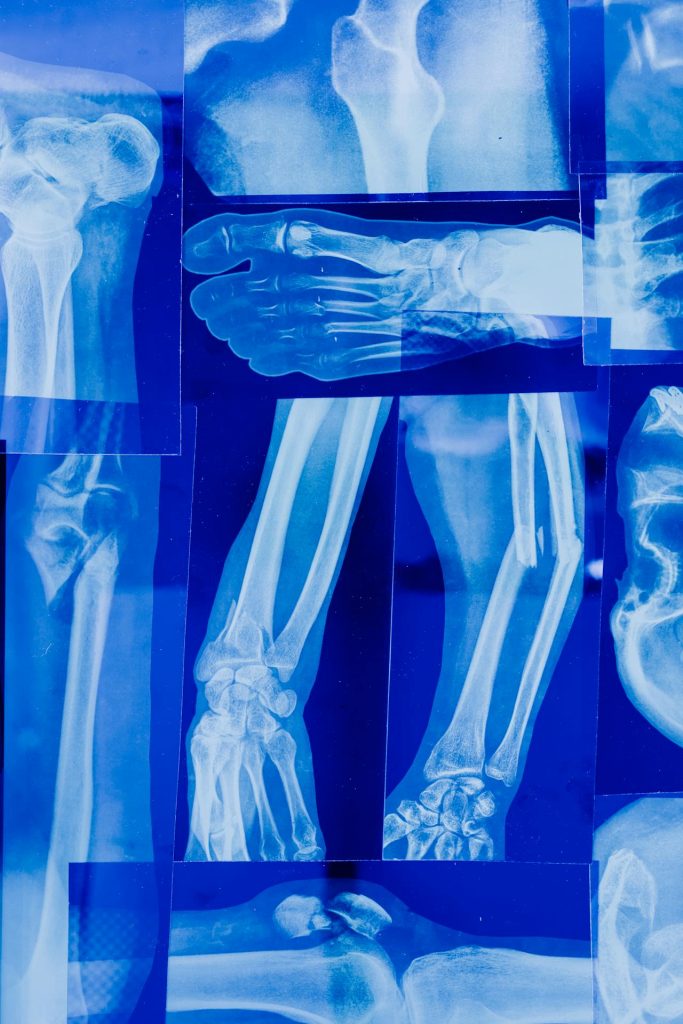
4. Collaborative Web-Radiology Viewer
A zero-footprint DICOM viewer that allows radiologists and surgeons to annotate and 3D-model scans together in real-time during a web-conference.
- The Problem: Traditional PACS (Picture Archiving and Communication Systems) are clunky and often tied to a specific physical workstation.
- USP: Real-time synchronized 3D scroll; if the surgeon rotates the model, the radiologist sees it instantly.
- Monetization: Pay-per-study or enterprise seat license.
Expert Insight: Use WebGL/WebGPU to ensure the browser can handle high-res 3D rendering without lagging.
- Market Precedent: PostDICOM or Tricefy, leading the „Cloud PACS” movement.
5. Oncology Precision Medicine Portal
A web app that aggregates a patient’s genomic data, pathology reports, and history to suggest the latest clinical trials and targeted therapies.
- The Problem: Oncology moves too fast for individual doctors to stay updated on every new drug.
- USP: A „Matching Engine” that cross-references the patient’s DNA with the global ClinicalTrials.gov database daily.
- Monetization: Pharmaceutical companies pay for „qualified patient leads” (de-identified).
- Market Precedent: Flatiron Health (acquired by Roche), the gold standard in oncology data.
6. Lab-to-Provider Interpretive Engine
A web application for diagnostic labs that doesn’t just send „raw numbers,” but generates interactive, patient-friendly visual reports that doctors can customize.
- The Problem: Most lab results are delivered as static PDFs that are hard for patients (and some GPs) to interpret.
- USP: Dynamic „What-If” sliders (e.g., „How would my risk change if I lowered my LDL by 20%?”).
- Monetization: Per-report fee charged to the laboratory.
AI Twist: An AI „Report Summarizer” that creates a 30-second audio brief for the physician to listen to before the patient appointment.
- Market Precedent: InsideTracker, but focused on the B2B lab-to-doctor clinical market.

III. Pharmacy, Insurance & Supply Chain
The „back-office” of healthcare is where the largest budgets reside. These healthcare web application ideas focus on the B2B transaction layer.
7. Direct-to-Employer Pharmacy Benefit Portal
A web platform that allows mid-sized companies to bypass traditional PBMs and buy medications directly for their employees at transparent „Cost-Plus” prices.
- The Problem: PBM (Pharmacy Benefit Manager) rebates and fees hide the true cost of drugs from employers.
- USP: Total price transparency with a dashboard showing exactly where every dollar of the health plan goes.
- Monetization: Flat monthly fee per employee (PEPM).
- Market Precedent: Mark Cuban Cost Plus Drugs (B2C), but the B2B employer portal is a massive untapped niche.
8. Hospital Supply Chain „Amazon” for Surplus
A B2B marketplace web app where hospitals can sell or trade surplus surgical supplies and medical equipment before they expire.
- The Problem: Millions of dollars in unexpired medical supplies are thrown away every year due to overstocking.
- USP: Automated „Expiration Alert” that suggests a trade-in 90 days before the product expires.
- Monetization: 10-15% commission on every successful trade/sale.
- Market Precedent: H-Sourcing, though the market remains fragmented.
9. AI Medical Underwriting Engine
A web-based tool for insurance companies that uses AI to analyze thousands of pages of medical records in seconds to determine risk scores and premiums.
- The Problem: Manual underwriting takes weeks and is prone to human error and bias.
- USP: Reduces underwriting time from 14 days to 14 minutes.
- Monetization: Per-case fee or annual enterprise license.
Expert Insight: Compliance is the moa here. You must be able to provide an „Explainable AI” audit trail for every decision.
- Market Precedent: Shift Technology, mostly focused on fraud detection.

IV. Research, Trials & Education
10. Decentralized Clinical Trial (DCT) Investigator Hub
A web dashboard for lead researchers to monitor patient data coming in from thousands of mobile devices globally, with built-in „anomaly” detection.
- The Problem: Researchers are drowning in data; they need a „high-level” web view to spot safety signals.
- USP: Automated „Signal Detection” that flags adverse events before they are manually reported.
- Monetization: SaaS contracts with CROs (Contract Research Organizations).
- Market Precedent: Veeva Systems, the undisputed king of life sciences cloud software.
11. Immersive Web-Based Medical Sim (WebXR)
A high-fidelity surgical or diagnostic simulator that runs directly in the browser (no download) for continuing medical education (CME).
- The Problem: High-end medical VR is expensive to deploy; doctors need something they can access on their lunch break.
- USP: „Click-and-Play” training that works on any laptop or VR-enabled browser.
- Monetization: Licensing to medical schools and pharmaceutical brands for „educational sponsorship.”
- Market Precedent: Osso VR, though they primarily focus on native headset apps.
12. Mental Health „Clinic-in-a-Box” for Enterprises
A web platform for HR departments that provides employees with access to a network of therapists, AI-coaching, and „stress-leave” management tools.
- The Problem: Employers want to help, but managing multiple mental health vendors is an administrative nightmare.
- USP: A single „Social Determinants of Health” dashboard for the HR director.
- Monetization: Annual subscription based on company headcount.
- Market Precedent: Lyra Health or Modern Health.
Validation Guide: The „Enterprise-Web” Test
Before building your healthcare web application, it must pass these three gates:
- The Keyboard Test: Does the task require extensive typing or multi-screen comparison? If yes, it must be a web app.
- The Integration Test: Can it connect to an EHR via FHIR standards in under 30 days?
- The „CFO” Test: Does this app save a specific department’s budget, or is it just „nice to have”? Enterprise web apps live or die by their ROI.
Conclusion
The future of healthcare web application ideas lies in solving the „back-office” complexities of a trillion-dollar industry. While mobile apps are for the patient’s pocket, web apps are for the professional’s desk. By focusing on scalability, data density, and interoperability, your startup can build the „infrastructure of health” that powers the next decade of medicine.
FAQ
1. Why should I build a web app instead of a mobile app for doctors?
Doctors spend most of their time at workstations. A web app integrates better into their existing „EHR-heavy” workflow.
2. Are web apps as secure as mobile apps in healthcare?
Yes, provided you use HTTPS, MFA, and „Session Timeouts.” In some ways, they are safer as no data is stored locally on a lost device.
3. Can a web app use a phone’s camera for diagnostics?
Yes, via the WebRTC API, though it lacks the deep sensor access (like LiDAR) that native mobile apps have.
4. How much does healthcare web app development cost?
Generally 30-40% less than native mobile development because you only build once for all devices.
5. What is a PWA (Progressive Web App) in healthcare?
It’s a web app that can be „installed” on a home screen and work offline—a middle ground between web and mobile.
6. How do I handle slow hospital internet?
Use „Service Workers” to cache critical UI elements and a „Sync-Later” data model.
7. Do web apps need FDA approval?
If the web app performs a diagnostic function or suggests a treatment, yes, it is considered SaMD (Software as a Medical Device).
8. What is the best tech stack for healthcare web apps in 2026?
React or Next.js for the frontend, Node.js or Python (FastAPI) for the backend, and PostgreSQL for the database.
9. Can I use Google Analytics on a healthcare web app?
No, standard GA is not HIPAA-compliant. You must use specialized tools like Freshpaint or Matomo.
10. How do I get my first 10 hospital clients?
Focus on a „Pain Point” in a specific department (e.g., Cardiology billing) rather than trying to sell to the entire hospital at once.