

The global digital health market is projected to reach $639.4 billion by 2026, yet 73% of healthcare providers report that their current digital tools fail to address critical patient engagement gaps. This disconnect represents a massive opportunity to explore new app ideas for healthcare: while hospitals invest billions in technology, patients still struggle with medication adherence, mental health access, and chronic disease management.
The healthcare app landscape is ripe for disruption. Unlike entertainment or social media, healthcare apps solve life-or-death problems—and users are willing to pay premium prices for solutions that work. But here’s the catch: regulatory compliance, data security, and clinical validation aren’t optional. The winners in this space will be founders who understand both the technology and the healthcare system’s Byzantine complexity.
Key Takeaways
- Market Opportunity: Healthcare apps with strong clinical validation see 3-5x higher user retention than consumer wellness apps
- Regulatory Reality: HIPAA compliance and FDA clearance can take 6-18 months but create defensible moats
- Monetization Models: Subscription-based models ($9-49/month) outperform ad-based revenue by 12:1 in healthcare
- Tech Stack Priorities: End-to-end encryption, interoperability with EHR systems, and offline functionality are non-negotiable
- User Acquisition: B2B2C models (partnering with healthcare systems) reduce CAC by 60% compared to direct-to-consumer
- Validation Path: Clinical pilots with 50-100 patients provide sufficient data for seed funding
- AI Integration: Machine learning models for diagnosis support require FDA approval but command 40% higher valuations
Chronic Disease Management Apps
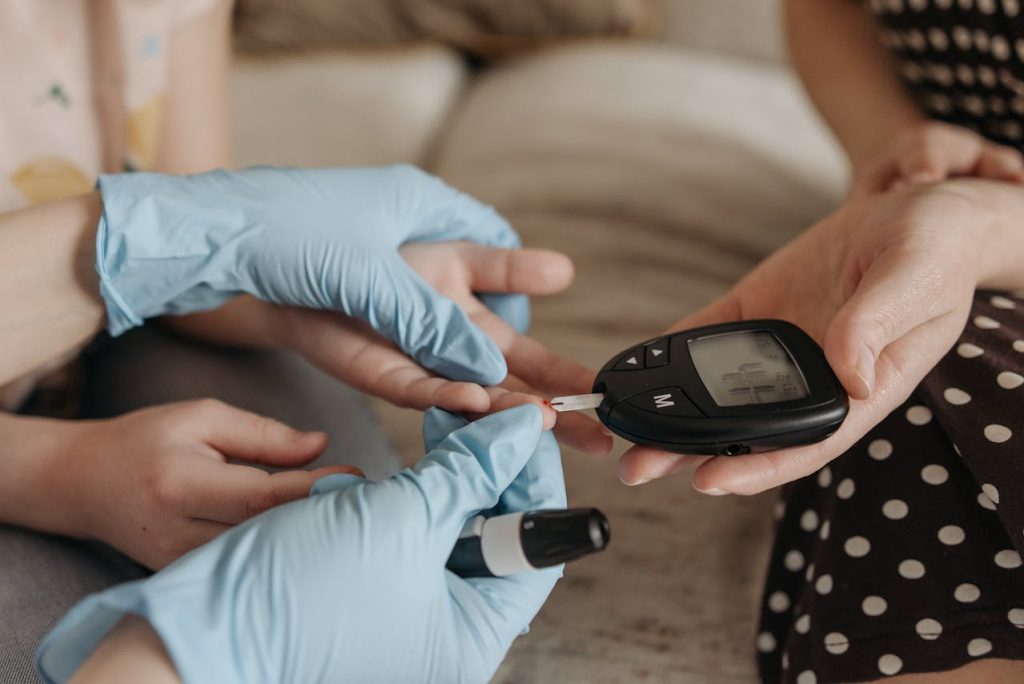
Chronic diseases account for 90% of US healthcare spending, yet only 50% of patients with chronic conditions adhere to their treatment plans. The gap between clinical recommendations and real-world patient behavior represents a $290 billion opportunity. Consequently, the most impactful app ideas for healthcare focus on bridging this gap through personalized engagement, real-time monitoring, and behavioral nudges, seeing unprecedented traction with both patients and payers.
1. Diabetes Glucose Pattern Recognition App
- The Problem: Type 2 diabetics check their glucose levels but don’t understand the patterns linking food, activity, and blood sugar spikes. Traditional apps show data but don’t provide actionable insights.
- Unique Function (USP): AI-powered image recognition that lets users photograph meals, automatically logs nutritional data, and predicts glucose response based on personal metabolic patterns. The app learns each user’s unique insulin sensitivity and provides meal-timing recommendations.
- Monetization Strategy: Freemium model with basic logging free; premium tier ($19.99/month) unlocks predictive analytics and integrates with continuous glucose monitors (CGMs). Partner with endocrinologists for $50/month white-label enterprise licensing.
Expert Insight: The breakthrough isn’t just tracking—it’s showing patients their ‘glucose twin’ days when they had similar readings but different outcomes. This pattern recognition drives 3x better adherence than generic advice.
AI Twist: Implement federated learning so the AI model improves across all users without compromising individual privacy—a killer feature for HIPAA compliance.
2. COPD Respiratory Training Gamification App
- The Problem: Chronic Obstructive Pulmonary Disease patients need daily breathing exercises but compliance rates are under 30% due to the boring, repetitive nature of respiratory therapy.
- Unique Function (USP): Gamified breathing exercises using the phone’s microphone to measure breath strength and duration. Users progress through levels, unlock achievements, and compete in „breath challenges” that make pulmonary rehab engaging.
- Monetization Strategy: Partner with pulmonary rehabilitation centers for B2B licensing ($2,000-5,000 per clinic annually). Offer family dashboard ($4.99/month) where caregivers can monitor patient compliance and celebrate milestones.
Expert Insight: Gamification in respiratory therapy (COPD) significantly enhances treatment adherence and inhaler technique accuracy, as highlighted in a 2025 systematic review in JMIR Serious Games. The study confirms that by transforming repetitive treatments into interactive experiences with immediate feedback loops, patients show higher engagement levels and improved clinical outcomes compared to traditional methods.
3. Hypertension Medication Timing Optimizer
- The Problem: Blood pressure medication timing significantly affects efficacy, but 68% of patients take pills at inconsistent times, reducing effectiveness by up to 40%.
- Unique Function (USP): Circadian rhythm-based medication reminders that adjust based on the user’s actual sleep-wake patterns (tracked via phone sensors). The app learns optimal dosing windows and alerts users before blood pressure is likely to spike.
- Monetization Strategy: Sell anonymized adherence data (with consent) to pharmaceutical companies conducting real-world evidence studies. Charge $15/month for premium features including blood pressure trend analysis and doctor report generation.
AI Twist: Predictive alerts that warn users 2 hours before historically high-risk periods (e.g., „Your BP tends to spike Monday mornings—take medication now, not with lunch”).
Mental Health & Wellness Apps

Mental health app downloads surged 500% during 2020-2023, but user retention remains abysmal—78% of users abandon mental health apps within the first week. The core problem isn’t awareness; it’s that most apps feel like homework rather than support. The opportunity lies in developing app ideas for healthcare that provide genuine therapeutic value through evidence-based interventions while maintaining the engagement levels of consumer social apps.
4. AI-Powered Cognitive Behavioral Therapy (CBT) Coach
- The Problem: Traditional therapy costs $100-300 per session, and wait times for mental health appointments average 6-8 weeks. Patients need immediate support for anxiety and depression between sessions.
- Unique Function (USP): Conversational AI trained on 10,000+ real CBT sessions that guides users through evidence-based cognitive restructuring exercises. The app detects cognitive distortions in user journal entries and suggests specific reframing techniques in real-time.
- Monetization Strategy: Tiered subscription: $12.99/month for unlimited AI sessions, $29.99/month adds live therapist check-ins (15 minutes weekly). Offer employer wellness packages at $8-12 per employee monthly.
Expert Insight: The FDA has cleared several prescription digital therapeutics for mental health. Pursuing FDA clearance as a PDT (prescription digital therapeutic) allows insurance reimbursement and positions the app as a clinical tool, not just wellness.
5. Trauma-Informed Grounding Techniques App
- The Problem: PTSD sufferers experience flashbacks and panic attacks but struggle to implement grounding techniques in crisis moments. Generic mindfulness apps don’t address trauma-specific needs.
- Unique Function (USP): Biometric-triggered interventions using heart rate variability (HRV) monitoring. When the app detects physiological signs of a panic attack, it automatically launches personalized grounding exercises (5-4-3-2-1 sensory technique, bilateral stimulation via haptic feedback).
- Monetization Strategy: Partner with VA hospitals and military organizations for bulk licensing. Offer sliding scale subscriptions ($5-20/month) to ensure accessibility for vulnerable populations.
AI Twist: Machine learning identifies each user’s unique physiological „panic signature” within 2 weeks, enabling earlier intervention than generic threshold-based alerts.
6. Loneliness Intervention Through Micro-Social Connections
- The Problem: Social isolation affects 1 in 3 adults and increases mortality risk by 29%, yet existing social apps create more anxiety than connection for lonely individuals.
- Unique Function (USP): AI-matched 10-minute „coffee chat” video calls with strangers based on shared interests and communication style compatibility. No usernames, no permanent profiles—just ephemeral, low-stakes human connection.
- Monetization Strategy: Freemium model (3 chats/month free, unlimited for $9.99/month). Partner with senior living facilities and offer white-labeled version ($15-25/resident/month).
Expert Insight: Research from Stanford’s Social Psychology Lab shows that even brief, positive interactions with strangers significantly reduce loneliness scores—the key is removing performance pressure and permanence.
7. Workplace Burnout Prevention Dashboard
- The Problem: 76% of employees experience burnout, costing employers $125-190 billion annually in healthcare costs and lost productivity. Current wellness programs are generic and ignore individual stress patterns.
- Unique Function (USP): Passive monitoring of digital work patterns (meeting density, email response times, work-after-hours) combined with weekly micro-pulse checks. The app provides personalized burnout risk scores and suggests specific boundary-setting interventions.
- Monetization Strategy: B2B SaaS model targeting HR departments: $5-15 per employee annually. Premium tier includes manager training modules and team-level burnout analytics.
AI Twist: Natural language processing of calendar events and email metadata (not content) to identify overload patterns 3-4 weeks before burnout symptoms manifest clinically.

Maternal & Pediatric Care Apps
Maternal and child health represents a $15 billion app opportunity, driven by millennial parents who are digital-first but overwhelmed by conflicting medical advice. The winning apps will be those that provide personalized, evidence-based guidance while building trust through transparency about data sources and clinical validation. Parents will pay premium prices for apps they trust with their children’s health.
8. High-Risk Pregnancy Remote Monitoring Platform
- The Problem: 50,000+ women annually experience severe pregnancy complications, but traditional prenatal care involves just 12-14 appointments, leaving dangerous gaps in monitoring.
- Unique Function (USP): Integration with FDA-cleared home monitoring devices (blood pressure cuff, fetal doppler, weight scale) that automatically upload vitals to a dashboard shared with the patient’s OB-GYN. AI algorithms flag concerning trends and trigger telehealth interventions.
- Monetization Strategy: Insurance reimbursement model using RPM (Remote Patient Monitoring) CPT codes—healthcare systems get paid $50-150/patient/month by insurers. Take 30-40% revenue share with participating practices.
Expert Insight: Remote patient monitoring for high-risk pregnancies reduces NICU admissions by 25% and preterm births by 18%, according to 2024 data from the American College of Obstetricians and Gynecologists. This isn’t wellness—it’s clinical-grade care.
9. Evidence-Based Baby Sleep Training App
- The Problem: Sleep deprivation affects 98% of new parents, but existing sleep apps provide conflicting advice based on pseudoscience rather than peer-reviewed research.
- Unique Function (USP): Personalized sleep training plans based on baby’s age, temperament assessment, and parent’s tolerance for crying. Every recommendation links to the source study. Audio monitoring with cry classification (hungry vs. tired vs. pain) guides parents on when to intervene.
- Monetization Strategy: $39.99 one-time purchase (higher perceived value than subscription for a defined problem). Upsell to $99 „sleep consultant in your pocket” tier with daily text-based coaching from certified pediatric sleep specialists.
AI Twist: Machine learning audio analysis distinguishes between distressed crying (requiring immediate response) and protest crying (which may self-resolve)—reducing parental anxiety and improving sleep training outcomes.
10. Pediatric Symptom Checker with Visual Recognition
- The Problem: Parents make 8-12 million unnecessary ER visits annually for minor pediatric concerns, costing the healthcare system $4.4 billion. Anxiety drives overutilization when symptoms are ambiguous.
- Unique Function (USP): Parents photograph rashes, wounds, or concerning symptoms; AI compares against a database of 10,000+ dermatological images to suggest whether immediate care is needed. Integration with nurse triage lines for borderline cases.
- Monetization Strategy: Partner with health insurance companies as a pre-authorization tool—insurers save $300-800 per diverted ER visit. Charge insurers $2-4 per member per month (PMPM).
Expert Insight: Visual recognition for pediatric dermatology achieves 87% diagnostic accuracy for common conditions (eczema, impetigo, viral rashes), per 2024 research in JAMA Pediatrics. The key is combining AI with human triage, not replacing clinical judgment.
11. NICU Parent Connection and Education Platform
- The Problem: Parents of NICU babies experience PTSD rates of 30-40%, driven by lack of control and information gaps while their infant is hospitalized.
- Unique Function (USP): Hospital-integrated app that provides real-time updates from NICU staff (feeding logs, weight trends, medical procedures), educational content tailored to the baby’s specific conditions, and peer support groups matched by diagnosis and length of stay.
- Monetization Strategy: B2B sales to hospitals ($10,000-30,000 per NICU annually). Hospitals improve patient satisfaction scores (HCAHPS) and reduce parental anxiety—both tied to reimbursement rates.
AI Twist: Predictive discharge date calculator based on baby’s progress trajectory, helping parents plan logistics and reducing anxiety about the unknown timeline.

Elderly Care & Aging-in-Place Apps
The 65+ population will reach 95 million by 2060, but only 4% of seniors live in assisted living facilities—most age at home with family support. This demographic shift has created a high demand for innovative app ideas for healthcare; specifically, apps that enable safe, dignified aging-in-place while reducing caregiver burden address a $460 billion market. The key is designing for limited tech literacy while providing powerful monitoring capabilities for adult children who are managing care remotely.
12. Fall Detection and Prevention App
- The Problem: 36 million falls occur annually among older adults, resulting in $50 billion in medical costs. By the time a fall is detected, golden treatment hours are often lost.
- Unique Function (USP): Wearable-free fall detection using smartphone accelerometer and gyroscope data. Machine learning distinguishes falls from normal activities (sitting down quickly, bending over). Automatically alerts emergency contacts with GPS location and calls 911 if no response within 60 seconds.
- Monetization Strategy: Family plan subscription model: $19.99/month covers monitoring for one senior plus unlimited emergency contacts. Partner with medical alert companies (Life Alert competitors) for co-marketing.
Expert Insight: Smartphone-based fall detection achieves 95% accuracy when users carry phones in pockets—comparable to dedicated wearables at 1/10th the cost. The breakthrough is convincing seniors to keep phones on their person.
13. Medication Management for Polypharmacy Patients
- The Problem: Seniors taking 5+ medications (polypharmacy) experience adverse drug interactions in 35% of cases. Medication errors cause 100,000+ hospitalizations annually in the elderly.
- Unique Function (USP): Computer vision pill identification—users photograph their medications, the app cross-references against FDA databases to check for dangerous interactions, duplications, and optimal timing. Visual reminders with medication photos (not just names) improve adherence for cognitively impaired users.
- Monetization Strategy: Sell to pharmacies as a patient engagement tool—pharmacies reduce costly medication therapy management (MTM) interventions. Charge pharmacies $3-7 per patient monthly; patients use the app free.
AI Twist: Predictive alerts for side effects based on population-level adverse event reports—if 1000 users report dizziness when taking Drug A + Drug B together, new users on that combination get proactive warnings.
14. Remote Caregiver Monitoring Dashboard
- The Problem: 53 million Americans provide unpaid care to aging relatives, often from a distance. Caregivers experience higher rates of depression and anxiety due to uncertainty about their loved one’s wellbeing between visits.
- Unique Function (USP): Passive activity monitoring using smart home sensors (motion, door, medication dispenser) that detect deviations from routine. Dashboard alerts adult children to concerning patterns (bathroom visits tripled overnight, refrigerator unopened all day) without requiring active participation from the senior.
- Monetization Strategy: Direct-to-consumer subscription: $24.99/month including sensor hardware (shipped) plus unlimited caregiver accounts. Partner with assisted living facilities for „early warning system” to delay expensive facility placement.
Expert Insight: Passive monitoring systems extend independent living by an average of 18 months, per 2024 research from the National Institute on Aging. The key is respecting senior privacy while providing caregivers peace of mind.
15. Dementia Care Companion App
- The Problem: 6.7 million Americans live with Alzheimer’s disease, and caregivers struggle with behavioral management, particularly sundowning (evening agitation) and repetitive questioning.
- Unique Function (USP): AI-powered memory assistance that learns the patient’s life story and provides personalized reminiscence therapy. When the patient asks the same question repeatedly, the app responds with patience using the patient’s preferred communication style. Behavioral tracking identifies sundowning triggers (light levels, activity patterns).
- Monetization Strategy: Freemium model—basic memory games free, full behavioral tracking and caregiver coaching $29.99/month. Partner with memory care facilities for site licenses ($50-100/resident/month).
AI Twist: Voice biomarker analysis detects cognitive decline progression by tracking speech patterns (word-finding difficulty, reduced vocabulary complexity), alerting families to discuss disease progression with neurologists.

Fitness & Rehabilitation Apps
The digital fitness market is oversaturated with generic workout apps, but clinical rehabilitation and physical therapy apps remain underserved. The opportunity lies in apps that bridge the gap between clinical care and home exercise—with proper form tracking, injury prevention, and outcomes that satisfy insurance reimbursement requirements. These aren’t wellness apps; they’re medical devices that happen to look like consumer fitness products.
16. Post-Surgery Rehabilitation Tracker with Computer Vision
- The Problem: 40% of post-surgical patients don’t complete prescribed physical therapy exercises, leading to complications, chronic pain, and readmissions costing $41 billion annually.
- Unique Function (USP): Computer vision form analysis using smartphone camera—patients perform exercises while the app provides real-time feedback on joint angles, range of motion, and compensatory movements. Progress data automatically populates clinical notes for PT appointments.
- Monetization Strategy: Insurance reimbursement via CPT codes for remote therapeutic monitoring ($50-60 per patient per month). Revenue share with orthopedic practices (30/70 split).
Expert Insight: FDA-cleared digital PT apps see 85% adherence rates vs. 60% for traditional paper exercise logs. The key is providing immediate feedback rather than delayed coaching sessions.
17. Injury Prevention for Weekend Warriors
- The Problem: Recreational athletes (runners, cyclists, CrossFit enthusiasts) suffer 8.6 million sports injuries annually due to training errors—too much volume, inadequate recovery, poor biomechanics.
- Unique Function (USP): AI training load optimizer that ingests data from multiple sources (Strava, Apple Health, sleep trackers) and calculates acute:chronic workload ratio—the gold standard for injury prediction. The app prescribes active recovery days before overtraining leads to injury.
- Monetization Strategy: $14.99/month subscription. Integrate with sports medicine clinics—injured users get discounted app access as part of recovery, creating a referral pipeline back to the clinic.
AI Twist: Biomechanical risk scoring using running gait analysis from smartwatch accelerometer data—identifies asymmetries and overstriding patterns that predict injury 4-6 weeks in advance.
18. Chronic Pain Management Through Movement
- The Problem: 50 million Americans suffer chronic pain, but opioid prescriptions have declined 44% since 2011, leaving a massive treatment gap. Physical activity reduces pain but isn’t prescribed systematically.
- Unique Function (USP): Personalized „movement snacks”—3-5 minute evidence-based exercises delivered throughout the day via notification, timed based on when users report highest pain levels. The app uses pain pattern analysis to recommend specific movements (hip mobility for lower back pain, thoracic extensions for neck pain).
- Monetization Strategy: Employer wellness programs ($8-15 per employee annually)—reduces absenteeism and worker’s comp claims. Offer direct-to-consumer at $19.99/month with pain psychologist coaching add-on ($49.99/month).
Expert Insight: Graded exposure to movement (gradual increase in activity despite pain) reduces chronic pain severity by 30-40%, per systematic reviews in The Clinical Journal of Pain. The challenge is overcoming kinesiophobia (fear of movement).
19. Pelvic Floor Training for Postpartum Women
- The Problem: 1 in 3 women experience pelvic floor dysfunction after childbirth (incontinence, prolapse, pain), but only 20% receive pelvic floor physical therapy due to embarrassment, cost, and lack of specialized providers.
- Unique Function (USP): Bluetooth-enabled pelvic floor trainer (kegel device) with biofeedback showing muscle contraction strength and endurance. Gamified training programs progress from basic awareness to functional strength for running, lifting, and sexual activity.
- Monetization Strategy: Hardware + software bundle ($149 device + first 3 months app included, then $9.99/month). Partner with OB-GYN practices for prescription model—insurance covers the device as durable medical equipment (DME).
AI Twist: Predictive risk scoring for pelvic organ prolapse based on delivery history, training adherence, and functional assessment data—enabling preventive interventions before symptoms worsen.

Nutrition & Dietary Management Apps
Food and nutrition apps face a trust problem—most rely on self-reported data and generic advice that doesn’t account for individual metabolic differences. The breakthrough app ideas for healthcare now lie in precision nutrition apps that use biomarker data, microbiome analysis, and continuous glucose monitoring to provide truly personalized dietary recommendations. These apps move from ‘calories in, calories out’ to ‘what foods optimize YOUR metabolism.
20. Personalized Nutrition Based on Gut Microbiome
- The Problem: Generic dietary advice fails because gut microbiome composition varies 80% between individuals, causing the same foods to produce dramatically different glucose and insulin responses.
- Unique Function (USP): Users submit stool sample for microbiome sequencing (partnered lab), receive personalized food scores predicting which foods will spike their blood sugar based on their unique gut bacteria composition. App provides meal suggestions optimized for the user’s metabolic profile.
- Monetization Strategy: $399 one-time test kit + 12 months app access, then $19.99/month subscription. Partner with functional medicine clinics for professional interpretation tier ($99/month including practitioner consultations).
Expert Insight: The Personalized Nutrition Project demonstrated that bread spikes blood sugar 50mg/dL in some individuals but only 15mg/dL in others—purely due to microbiome differences. This isn’t pseudoscience; it’s published in Cell.
21. Food Allergen Scanner for Severe Allergies
- The Problem: 32 million Americans have food allergies; accidental exposures cause 200,000 ER visits annually. Reading ingredient labels is time-consuming and error-prone, especially for „hidden” allergens.
- Unique Function (USP): Barcode scanner cross-referenced with FDA food labeling databases flags products containing user’s specific allergens (including „may contain” warnings). Crowdsourced ingredient data for restaurants and international products. Emergency protocol integration—if user reports exposure, the app guides epinephrine use and contacts emergency services.
- Monetization Strategy: Freemium model—scan up to 5 products/day free, unlimited scanning $7.99/month. Premium tier ($14.99/month) adds restaurant menu analysis and new product alerts for favorite brands.
Expert Insight: Partner with allergy advocacy organizations (FARE—Food Allergy Research & Education) for credibility and user acquisition. This population has high willingness-to-pay due to life-threatening consequences.
22. Intermittent Fasting Optimizer with Metabolic Tracking
- The Problem: Intermittent fasting has exploded in popularity, but most users follow arbitrary timing windows (16:8) without considering their individual circadian rhythm, activity level, or metabolic goals.
- Unique Function (USP): Continuous glucose monitor (CGM) integration shows real-time effects of fasting on metabolic health. App adjusts fasting windows based on sleep patterns, workout timing, and glucose variability data. Provides „metabolic flexibility score” tracking the user’s improving ability to switch between fuel sources.
- Monetization Strategy: Partner with CGM manufacturers (FreeStyle Libre, Dexcom) for bundled pricing. App subscription $19.99/month includes CGM interpretation; users purchase sensors separately.
AI Twist: Predictive hunger modeling—ML algorithm learns each user’s hunger patterns and suggests eating windows that minimize cravings while maximizing fat oxidation.
23. Meal Planning for Autoimmune Disease Management
- The Problem: 50 million Americans have autoimmune diseases (lupus, rheumatoid arthritis, Hashimoto’s), and dietary triggers vary dramatically by individual. Elimination diets are complex and unsustainable without support.
- Unique Function (USP): Systematic food reintroduction protocol with symptom tracking. Users follow evidence-based elimination phases (AIP—Autoimmune Protocol), log symptoms (joint pain, brain fog, fatigue), and the app uses Bayesian inference to identify likely trigger foods specific to that individual.
- Monetization Strategy: Subscription model $24.99/month including meal plans, recipes, and practitioner reporting. Partner with functional medicine and integrative health practices for $49.99/month tier with nutritionist consultations.
Expert Insight: The challenge is balancing scientific rigor with user experience—autoimmune patients are often desperate and vulnerable to pseudoscience. Position the app as a structured n-of-1 trial with clinical oversight.

Telehealth & Virtual Care Apps
Telehealth usage surged 3,800% from 2019 to 2023, but patient satisfaction scores lag in-person care by 15-20 percentage points. The problem isn’t the technology—it’s that most telehealth apps simply replicate in-person visits over video without leveraging digital-native capabilities. The opportunity lies in asynchronous care, AI triage, and specialty-specific workflows that are actually better than traditional office visits for certain conditions.
24. Asynchronous Dermatology Consultations
- The Problem: Dermatology appointments have 6-8 week wait times, but 75% of skin concerns can be diagnosed from photos alone. Synchronous video visits don’t add clinical value for visual diagnoses.
- Unique Function (USP): Patients upload photos of skin concerns with standardized metadata (duration, symptoms, location). Board-certified dermatologists review within 24 hours and provide diagnosis, treatment plan, and e-prescriptions. No scheduling, no video calls.
- Monetization Strategy: Direct-to-consumer $59 per consultation (cheaper than typical co-pays). Contract with health systems for „dermatology access as a service”—$15-25 PMPM for unlimited employee consultations.
Expert Insight: Asynchronous dermatology achieves 92% diagnostic concordance with in-person exams for common conditions, per studies in JAMA Dermatology. The workflow is more efficient for both patients and physicians—dermatologists can review 30+ cases in the time of 10 video visits.
25. Mental Health Measurement-Based Care Platform
- The Problem: Only 28% of psychiatrists use standardized outcome measures to track treatment effectiveness, leading to prolonged suffering and medication trials that don’t work.
- Unique Function (USP): Automated PHQ-9 (depression), GAD-7 (anxiety), and other validated screeners delivered between appointments. Clinician dashboard shows symptom trajectories and flags non-responders early. Patients receive personalized insights on their progress.
- Monetization Strategy: B2B SaaS for psychiatric practices: $30-50 per clinician per month. Demonstrate ROI through improved outcomes and reduced no-show rates (patients engaged with data are 40% less likely to miss appointments).
AI Twist: Natural language processing of patient messages to clinicians identifies early warning signs of suicidal ideation—triggering immediate safety protocols before next scheduled appointment.
26. On-Demand Lactation Consultant Platform
- The Problem: 60% of mothers stop breastfeeding earlier than planned due to lack of support. Hospital-based lactation consultants see patients once, then families are on their own. Emergencies (bleeding nipples, inadequate supply) require immediate help.
- Unique Function (USP): 24/7 access to International Board Certified Lactation Consultants (IBCLCs) via video. Marketplace model connects parents with specialists in their timezone. Session recording and care plans stored in the app for ongoing reference.
- Monetization Strategy: Pay-per-session ($75-125 per consultation). Partner with employer lactation benefits and insurance companies for coverage. Take 25-30% platform fee.
Expert Insight: Telehealth lactation support increases breastfeeding duration by an average of 6 weeks, per 2024 research in Pediatrics. The market is underserved—there’s 1 IBCLC per 2,847 births in the US.
27. Specialty Pharmacy Patient Support Hub
- The Problem: Specialty medications (biologics for rheumatoid arthritis, MS, cancer) cost $10,000-100,000 annually. Adherence rates are only 60% due to complex administration, side effects, and prior authorization headaches.
- Unique Function (USP): Unified platform for specialty pharmacy patients: injection training videos, side effect tracking, insurance navigation support, and nurse navigator access. Integration with specialty pharmacies and pharmaceutical manufacturers’ patient assistance programs.
- Monetization Strategy: Pharmaceutical manufacturer sponsorship—$50-150 per patient annually. Drug companies desperately need adherence solutions to prove real-world effectiveness and justify pricing.
AI Twist: Predictive discontinuation modeling identifies patients at risk of stopping therapy (missed refills, side effect reports) and triggers proactive outreach from nurse navigators before abandonment.

Diagnostic & Screening Apps
AI-powered diagnostic apps represent the highest-risk, highest-reward category in healthcare technology. The FDA’s Software as a Medical Device (SaMD) pathway is now well-established, and the most ambitious app ideas for healthcare with strong clinical validation can achieve prescription status—enabling insurance reimbursement and generating 5-10x higher revenue than consumer wellness apps. The key is building clinical-grade tools, not superficial symptom checkers.
28. Skin Cancer Screening with Dermoscopic Analysis
- The Problem: Melanoma kills 8,000+ Americans annually, but full-body skin exams aren’t routine. Early detection is critical—5-year survival rates are 99% for localized melanoma vs. 27% for metastatic disease.
- Unique Function (USP): Smartphone dermoscopy attachment ($49 hardware) plus AI analysis trained on 100,000+ dermatologist-labeled images. App tracks mole changes over time using 3D body mapping. High-risk lesions generate automatic referrals to dermatologists with uploaded images.
- Monetization Strategy: Hardware + software bundle ($49 one-time + $9.99/month subscription). Partner with health systems for population screening programs—early detection reduces expensive late-stage cancer treatment costs by $50,000-150,000 per case.
Expert Insight: Pursue FDA clearance as a diagnostic aid (not diagnostic device)—regulatory pathway is faster and still enables clinical reimbursement. Multiple AI dermatology apps have achieved FDA clearance since 2022.
29. Atrial Fibrillation Detection via Smartphone Camera
- The Problem: 6 million Americans have atrial fibrillation (AFib), but 20-30% are undiagnosed. Untreated AFib causes 130,000 strokes annually and $26 billion in healthcare costs.
- Unique Function (USP): Photoplethysmography (PPG) using smartphone camera and flash to measure pulse rhythm. 60-second test detects irregular heartbeat patterns consistent with AFib. App generates EKG-style reports that users share with cardiologists.
- Monetization Strategy: Pursue FDA clearance for diagnostic AFib detection—insurance reimbursement $50-100 per test. Partner with primary care networks for population screening (65+ age group).
Expert Insight: Multiple studies show smartphone PPG achieves 95%+ sensitivity for AFib detection—comparable to wearable EKG monitors at 1/100th the cost. The challenge is managing false positives and appropriate follow-up pathways.
30. Pediatric Developmental Milestone Tracker with Video Analysis
- The Problem: 1 in 36 children is diagnosed with autism spectrum disorder, but average diagnosis age is 4 years—missing critical early intervention windows. Parents notice delays but don’t know what’s concerning.
- Unique Function (USP): Parents upload short videos of child’s play and communication (guided prompts). Computer vision analyzes gaze patterns, reciprocal interaction, and motor coordination. App flags developmental concerns that warrant professional evaluation using CDC milestone guidelines.
- Monetization Strategy: Freemium model—basic milestone tracking free, developmental screening $29.99 per assessment. License to pediatric practices for $5-10 per patient annually as M-CHAT-R alternative.
Expert Insight: This is clinically and ethically complex—developmental screening has high false positive rates. Partner with pediatric neurologists and developmental-behavioral pediatricians from day one to ensure appropriate clinical pathways and avoid harmful overdiagnosis.
31. Hearing Loss Self-Screening Tool
- The Problem: 48 million Americans have hearing loss, but average time from onset to treatment is 7-10 years. Untreated hearing loss accelerates cognitive decline and dementia risk.
- Unique Function (USP): Calibrated audiometry using smartphone and consumer headphones. App compensates for headphone frequency response to deliver accurate hearing thresholds across frequencies. Results generate audiogram and hearing aid candidacy assessment.
- Monetization Strategy: Free screening tool (user acquisition), monetize through hearing aid marketplace—affiliate revenue ($100-300 per device sale). Partner with audiology practices for referral fees.
Expert Insight: FDA now allows over-the-counter hearing aids, creating a $2.8 billion market. Self-screening apps that guide users to appropriate amplification (OTC vs. prescription) are the on-ramp to this market.
Women’s Health Apps
Women’s health technology (FemTech) is a $50 billion market by 2025, driven by conditions that have been historically underfunded and underresearched: endometriosis, PCOS, perimenopause, pelvic pain. Women are frustrated by dismissive healthcare and desperate for solutions. Apps that provide evidence-based support, community, and clinical validation for „invisible” conditions will see exceptional user loyalty and willingness-to-pay.
32. Endometriosis Symptom Tracking and Management
- The Problem: Endometriosis affects 190 million women globally but takes an average of 7-10 years to diagnose. Women suffer debilitating pain while being told symptoms are „normal.”
- Unique Function (USP): Comprehensive symptom tracking (pain location/intensity, bowel/bladder symptoms, fatigue) with pattern recognition that correlates with menstrual cycle phases. App generates diagnostic reports summarizing symptom severity and impact using validated WERF EPHect score.
- Monetization Strategy: $14.99/month subscription including telehealth consultations with endometriosis specialists. Partner with fertility clinics (40% of infertile women have endometriosis) for co-marketing.
Expert Insight: The key is moving beyond generic period tracking to capture endo-specific symptoms (dyschezia, dysuria, chronic pelvic pain). Include pelvic floor PT exercises and anti-inflammatory nutrition guidance.
33. Perimenopause and Menopause Support Platform
- The Problem: 6,000 women enter menopause daily in the US, experiencing 34+ potential symptoms. Primary care physicians receive less than 3 hours of menopause training, leaving women without evidence-based treatment options.
- Unique Function (USP): Symptom checker that distinguishes perimenopause from other conditions (thyroid disorders, depression), hormone therapy decision tool with individualized risk-benefit analysis, and access to menopause-certified practitioners. Community forums moderated by clinicians to combat misinformation.
- Monetization Strategy: Tiered subscription: $19.99/month includes symptom tracking and education, $49.99/month adds unlimited provider messaging, $99/month includes quarterly telehealth visits.
AI Twist: Predictive modeling of menopause transition timeline based on symptom patterns and age—helping women anticipate and prepare for next phases (perimenopause → late transition → postmenopause).
34. PCOS (Polycystic Ovary Syndrome) Lifestyle Management
- The Problem: PCOS affects 10% of reproductive-age women, causing infertility, weight gain, and metabolic dysfunction. First-line treatment is lifestyle modification, but women receive minimal support for implementation.
- Unique Function (USP): Evidence-based PCOS-specific nutrition (low glycemic index, anti-inflammatory), exercise prescriptions (resistance training + moderate cardio), and supplement protocols. Biomarker tracking (testosterone, fasting insulin, LH:FSH ratio) shows objective improvement beyond weight loss.
- Monetization Strategy: $24.99/month subscription. Partner with reproductive endocrinologists for white-labeled version ($10-15 per patient monthly)—doctors struggle to provide ongoing lifestyle coaching.
Expert Insight: The key differentiator is recognizing PCOS subtypes (insulin-resistant vs. inflammatory vs. post-pill) and personalizing recommendations. Generic „eat less, move more” advice doesn’t work for PCOS patients.
35. Fertility Awareness Method (FAM) with Algorithmic Accuracy
- The Problem: Hormonal contraception has significant side effects for many women, but fertility awareness methods require meticulous tracking and have 12-24% typical-use failure rates.
- Unique Function (USP): Multi-parameter fertility tracking (basal body temperature, cervical mucus, LH testing) with algorithmic integration that’s more accurate than any single parameter. FDA-cleared contraceptive efficacy with Pearl Index <2.
- Monetization Strategy: $14.99/month subscription or $119.99 annually. Hardware bundle with wearable BBT sensor ($199 + 12 months app). Pursue contraceptive insurance coverage under ACA.
Expert Insight: Natural Cycles achieved FDA clearance as contraception in 2018, proving regulatory viability. The key is rigorous clinical trials demonstrating efficacy comparable to other contraceptive methods.

Rare Disease & Specialty Condition Apps
Rare disease patients are desperate for solutions—300+ million people globally suffer from 7,000+ rare diseases, but each individual condition affects small populations. Traditional pharma and device companies underserve these markets. However, targeted app ideas for healthcare can economically serve rare disease communities through digital therapeutics, patient registries, and care coordination. Patients will pay substantial amounts for effective solutions to conditions that have no other treatments.
36. Migraine Trigger Identification and Prevention
- The Problem: 39 million Americans suffer migraines, costing $36 billion annually in lost productivity. Triggers vary by individual (food, weather, hormones, stress), making prevention difficult.
- Unique Function (USP): Comprehensive migraine diary with AI pattern recognition identifying individualized triggers. Integrates weather data, menstrual cycle, sleep quality, and food logs. Provides personalized avoidance strategies and predicts high-risk days 48 hours in advance.
- Monetization Strategy: Freemium model—basic tracking free, predictive analytics $9.99/month. Partner with neurologists for clinical reporting tier ($19.99/month) that generates professional treatment summaries.
AI Twist: Weather-driven environmental changes, specifically rapid shifts in barometric pressure, are clinically recognized triggers for approximately 50% of migraine patients. By utilizing population-level data clusters, digital health platforms can issue predictive warnings to users in high-risk geographic areas, transforming reactive treatment into proactive prevention.
37. Rare Disease Patient Registry and Natural History Study Platform
- The Problem: Drug development for rare diseases fails due to insufficient natural history data and difficulty recruiting trial participants. Patients are isolated and don’t know others with their condition.
- Unique Function (USP): Patient-generated health data repository for specific rare diseases (choose one to start—Ehlers-Danlos Syndrome, Primary Immunodeficiency, etc.). Structured symptom tracking aligned with clinical trial endpoints. Community features connecting patients with shared diagnosis.
- Monetization Strategy: Free for patients. Revenue from pharmaceutical companies accessing de-identified registry data for trial design ($100,000-500,000 per dataset). Contract research organizations (CROs) pay for patient recruitment access.
Expert Insight: FDA encourages patient-focused drug development and recognizes patient-generated data. A well-structured registry becomes a defensible moat—new therapies for that disease MUST use your data.
38. Chronic Lyme Disease Symptom Management
- The Problem: Post-treatment Lyme Disease Syndrome (PTLDS) affects 10-20% of treated Lyme patients, causing fatigue, pain, and cognitive issues lasting months to years. Conventional medicine offers limited support.
- Unique Function (USP): Symptom tracking specifically for PTLDS (pain, fatigue, cognitive fog, mood), evidence-based rehabilitation protocols (graded exercise therapy, cognitive behavioral therapy), and specialist directory. Avoids pseudoscientific „chronic Lyme” claims while providing genuine support.
- Monetization Strategy: $19.99/month subscription. This is ethically complex—the condition is controversial. Partner with infectious disease specialists and CDC-aligned Lyme organizations to ensure evidence-based positioning.
Expert Insight: This market is plagued by predatory alternative medicine practitioners. An evidence-based app that respects patient suffering while avoiding false hope for „chronic Lyme cures” would serve an underserved population.
39. Hemophilia Home Infusion Tracker
- The Problem: Hemophilia patients require regular factor replacement therapy—often multiple infusions weekly. Adherence is critical to prevent spontaneous bleeds and joint damage, but tracking is burdensome.
- Unique Function (USP): Infusion logging with lot number tracking (critical for recalls), bleed diary, and joint health assessments. Integration with specialty pharmacies for automatic refill coordination. Generates reports for hematologists showing adherence and breakthrough bleeds.
- Monetization Strategy: Pharmaceutical manufacturer sponsorship—factor manufacturers desperately need adherence data and patient engagement tools. Charge $75-150 per patient annually to pharma partners; patients use app free.
Expert Insight: Hemophilia is a perfect rare disease app opportunity—clear clinical need, wealthy patients/insurers (factor costs $300,000+ annually), and pharma sponsor interest. Build strong relationships with the National Bleeding Disorder Foundation for credibility.

Preventive Care & Wellness Apps
Preventive care represents the holy grail of healthcare economics—keeping people healthy is vastly cheaper than treating disease. However, most „wellness” apps lack clinical rigor and fail to change behavior long-term. The opportunity lies in building preventive care apps that satisfy three criteria: (1) address specific, measurable health risks, (2) use behavior change science, not gamification gimmicks, and (3) prove ROI to employers and health plans who will pay for proven prevention.
40. Cardiovascular Risk Reduction Program
- The Problem: Heart disease kills 695,000 Americans annually, but 80% of cardiovascular events are preventable through lifestyle modification. Patients receive risk scores at doctor visits but no actionable follow-up.
- Unique Function (USP): Integration with lab results (lipid panel, HbA1c, blood pressure) to calculate 10-year ASCVD risk using Framingham or ACC/AHA algorithms. Personalized interventions (Mediterranean diet, aerobic exercise prescription, stress management) with tracking to show risk score improvement over time.
- Monetization Strategy: B2B2C model—sell to health insurers and employers at $10-20 PMPM. Payers save $3,000-7,000 per prevented cardiac event, creating strong ROI case.
Expert Insight: The challenge is engaging asymptomatic patients who feel fine. Use motivational interviewing techniques and „future self” visualization—show users their predicted health at age 70 under current trajectory vs. with modifications.
41. Cancer Screening Adherence Tracker
- The Problem: Only 65% of Americans are up-to-date with recommended cancer screenings (colonoscopy, mammography, cervical cancer screening). Late-stage cancer diagnoses cost $200,000+ to treat vs. $20,000 for early-stage.
- Unique Function (USP): Personalized screening schedule based on age, family history, and risk factors. Automated reminders 3 months before tests are due. Integration with health systems to confirm completed screenings. Educational content addressing screening anxiety and misconceptions.
- Monetization Strategy: Health plan sponsorship—Medicare Advantage plans and commercial insurers are measured on HEDIS screening rates, which affect their Star Ratings and revenue. Charge $2-5 PMPM.
Expert Insight: This is a HEDIS quality measure—insurers have direct financial incentive to improve screening rates. A 5% improvement in colonoscopy screening rates generates $500,000+ in additional revenue for a typical 100,000-member plan.
42. Prediabetes Reversal Program
- The Problem: 96 million American adults have prediabetes, but only 20% know they have it. Without intervention, 70% will progress to type 2 diabetes within 10 years.
- Unique Function (USP): CDC-recognized Diabetes Prevention Program (DPP) delivered digitally—16 sessions over 6 months focused on nutrition, physical activity, and behavioral change. Live coaching + AI-powered daily support. Integration with continuous glucose monitors to provide real-time feedback.
- Monetization Strategy: Medicare reimburses $450 per participant who completes the program and achieves 5% weight loss. Commercial insurers pay similar rates. This is proven reimbursement—not speculative.
Expert Insight: Digital DPP is the gold standard for preventive care apps with insurance reimbursement. Multiple vendors (Omada Health, Livongo) have built $1B+ valuations on this model. The key is achieving CDC recognition, which requires clinical trial data.
43. Vaccine Tracker and Immunization Management
- The Problem: Only 50% of adults are up-to-date with recommended vaccinations (flu, pneumonia, shingles, Tdap). Immunization records are fragmented across providers, making tracking difficult.
- Unique Function (USP): Comprehensive vaccine history with state immunization registry integration. Personalized vaccination schedule based on age, health conditions, and travel plans. Pharmacy locator for convenient vaccination appointments.
- Monetization Strategy: Free for consumers (user acquisition). Revenue from pharmacy partnerships—pharmacies pay $3-7 per vaccination administered through app referrals. Pharmacies desperately need foot traffic and vaccination services have 40% margins.
Expert Insight: COVID-19 dramatically increased vaccine awareness and app adoption. Post-pandemic, the challenge is sustaining engagement for routine immunizations.

Sleep & Circadian Health Apps
Sleep disorders affect 50-70 million Americans and cost the economy $411 billion annually in lost productivity and healthcare costs. Yet sleep medicine is dramatically underserved—most people with sleep apnea, insomnia, and circadian rhythm disorders never receive diagnosis or treatment. Apps that provide evidence-based sleep interventions without requiring expensive sleep studies represent a massive opportunity, particularly with the rise of consumer sleep-tracking wearables generating actionable data.
44. Cognitive Behavioral Therapy for Insomnia (CBT-I) Digital Therapeutic
- The Problem: 30% of adults have insomnia symptoms, but CBT-I—the gold-standard treatment—is only available from 250 certified specialists nationwide. Sleeping pills are overprescribed despite limited efficacy and dependence risks.
- Unique Function (USP): FDA-cleared digital therapeutic delivering evidence-based CBT-I protocols: sleep restriction therapy, stimulus control, cognitive restructuring, and relaxation training. Adaptive algorithm adjusts recommendations based on sleep diary data and wearable integration.
- Monetization Strategy: Prescription-only model with insurance reimbursement ($300-900 per treatment course). Partner with employers for insomnia screening programs—identifying and treating insomnia saves $1,200 per employee annually in productivity.
Expert Insight: Somryst achieved FDA clearance as a prescription digital therapeutic for insomnia in 2020. The regulatory pathway is established—focus on rigorous clinical trials showing non-inferiority to in-person CBT-I.
45. Sleep Apnea Pre-Screening and CPAP Adherence
- The Problem: 80% of moderate-to-severe sleep apnea cases are undiagnosed. Diagnosed patients struggle with CPAP adherence—50% abandon therapy within the first year despite life-threatening consequences.
- Unique Function (USP): Home sleep apnea screening using smartphone audio analysis (snoring patterns, breathing pauses) and symptom questionnaires (STOP-BANG score). For diagnosed patients, CPAP adherence coaching with daily usage tracking, mask fit troubleshooting, and behavioral support.
- Monetization Strategy: Pre-screening tool is free (patient acquisition). Revenue from durable medical equipment (DME) companies for adherence support—Medicare requires 90-day adherence data for continued CPAP reimbursement. Charge DME providers $20-40 per patient.
Expert Insight: CPAP non-adherence costs DME companies $2.3 billion annually in returned equipment. An app that improves adherence by even 10% generates massive ROI for DME partners.
46. Circadian Rhythm Optimization for Shift Workers
- The Problem: 15 million Americans work night or rotating shifts, suffering 40% higher rates of cardiovascular disease, diabetes, and depression due to circadian disruption.
- Unique Function (USP): Personalized light exposure and melatonin timing protocols to minimize circadian misalignment. Shift-specific meal timing guidance (avoiding eating 2-6 AM reduces metabolic dysfunction). Predictive alertness modeling showing cognitive performance throughout shift.
- Monetization Strategy: B2B sales to healthcare systems, manufacturing plants, and 24/7 operations ($15-30 per shift worker annually). Demonstrate ROI through reduced workplace accidents (30% of industrial accidents occur during night shifts).
AI Twist: Machine learning model predicts microsleep risk based on shift schedule, sleep debt accumulation, and individual vulnerability factors—generating targeted break alerts to prevent accidents.
47. Pediatric Sleep Training for Special Needs Children
- The Problem: Children with autism, ADHD, and developmental disabilities experience sleep disorders at 4x higher rates than neurotypical children. Sleep deprivation exacerbates behavioral problems and decimates family quality of life.
- Unique Function (USP): Diagnosis-specific sleep protocols developed with pediatric sleep specialists. Visual schedules and social stories for bedtime routines. Weighted blanket and sensory integration recommendations. Medication tracking for melatonin and other sleep aids.
- Monetization Strategy: $29.99/month subscription. Partner with developmental pediatricians and autism treatment centers for referrals. This population has extremely high willingness-to-pay—sleep deprivation is families’ #1 reported stressor.
Expert Insight: This is a profoundly underserved market. Generic sleep training methods fail for neurodivergent children. Build advisory board of pediatric sleep specialists and autism experts from day one to ensure clinical appropriateness.
Existing Healthcare Apps: Market Landscape
Understanding the competitive landscape helps identify gaps and opportunities. Here are category-leading apps that demonstrate product-market fit and strong user value propositions:
MyFitnessPal (Nutrition): 200 million users, $20/month premium tier. Strength: comprehensive food database (14+ million items), barcode scanning, and macro tracking. Users value the community features and integration with 50+ fitness apps. Weakness: generic advice not personalized to medical conditions.
Headspace (Mental Health): 70 million users, $12.99/month. Strength: exceptional content quality, celebrity partnerships, and employer wellness channel. Users appreciate the beginner-friendly approach and sleep content. Weakness: doesn’t address clinical mental health conditions requiring therapy.
Talkspace (Teletherapy): 1 million+ users, $69-99/week. Strength: asynchronous messaging model fits modern lifestyles better than scheduled video calls. Insurance partnerships expanding access. Users value convenience and lower cost vs. traditional therapy.
BetterHelp (Online Therapy): 4 million users served. Strength: therapist matching algorithm and financial aid program improve accessibility. Users appreciate the flexibility and anonymity. Criticism: therapist pay structure and privacy practices have faced scrutiny.
Calm (Meditation & Sleep): 100 million downloads, $69.99/year. Strength: celebrity sleep stories (Matthew McConaughey, Harry Styles) drive viral growth. Exceptional sound design and production quality. Weakness: high churn after initial novelty wears off.
Noom (Weight Loss): $60/month with coaching. Strength: psychology-based approach with cognitive behavioral therapy principles. Human coaches provide accountability. Weakness: high cost and cancellation friction generate negative reviews.
One Medical (Primary Care): 736,000 members, $199/year membership. Strength: seamless integration between app, telehealth, and in-person care. Users value same-day appointments and 24/7 virtual access. Acquired by Amazon for $3.9 billion in 2023.
K Health (AI Symptom Checker): $19/month for unlimited consultations. Strength: AI trained on 5 billion clinical data points provides surprisingly accurate differential diagnoses. Users appreciate immediate access vs. waiting for appointments.
GoodRx (Prescription Savings): 6 million monthly users. Strength: price transparency reveals 80% savings opportunities. Free business model drives massive adoption. Revenue from pharmacy referral fees ($10-15 per filled prescription).
These apps succeed by solving specific problems exceptionally well, not trying to be comprehensive health platforms. The lesson: narrow focus, deep execution, and defensible moats (clinical data, insurance contracts, provider networks) create sustainable businesses.

How to Validate Your Healthcare App Idea
Validation in healthcare requires more rigor than consumer apps—you’re dealing with people’s health, regulatory scrutiny, and entrenched incumbents. Here’s the systematic validation process that increases your probability of success:
Phase 1: Clinical Validation (Months 1-3)
Before writing code, validate that your solution actually works clinically. Partner with 2-3 healthcare providers (physicians, therapists, nurses) who work with your target population. Have them review your proposed intervention:
- Does this align with evidence-based practice guidelines?
- Would they prescribe/recommend this to their patients?
- What clinical outcomes should you measure to prove efficacy?
Run a paper-based pilot with 10-20 patients. Use spreadsheets, text reminders, and manual tracking to test your core hypothesis. Example: If you’re building a medication adherence app, manually text patients daily for 4 weeks and measure if adherence improves. If you can’t demonstrate efficacy with manual processes, an app won’t magically fix it.

Phase 2: Regulatory Strategy (Month 2-4)
Engage with FDA consultants or regulatory affairs specialists early. Determine your regulatory pathway:
- General wellness app (no FDA oversight): Makes only general health claims, not disease-specific
- Clinical decision support (enforcement discretion): Displays/analyzes medical information for HCPs
- Medical device (requires FDA clearance): Makes diagnosis, treatment, or prevention claims
Don’t assume you can avoid regulation—founders who ignore FDA end up scrambling when they’re already in market. Budget $50,000-150,000 for regulatory strategy and initial submissions if pursuing FDA clearance.
Phase 3: MVP Development (Months 3-6)
Build the minimum CLINICAL product, not minimum features. Your MVP must include:
- Core clinical function: The specific intervention that creates health outcomes
- Outcome tracking: Validated measures (PHQ-9, HbA1c, blood pressure) not vanity metrics
- Data security: HIPAA compliance isn’t optional—budget for SOC 2 certification
- Clinical reporting: Providers need to see patient data in formats they recognize
Skip every feature that doesn’t directly contribute to proving clinical efficacy. Polish and extra features come after validation, not before.
Phase 4: Pilot Study (Months 4-8)
Recruit 50-100 users from your clinical partners’ patient panels. Structure this as a real study:
- Pre-post design: Measure baseline, intervention period (8-12 weeks), and follow-up outcomes
- Control group: Compare to standard care or waitlist control if feasible
- Statistical significance: Calculate required sample size for your primary outcome
- IRB approval: Get Institutional Review Board clearance even if not required—shows scientific rigor
Document everything meticulously. This pilot data becomes your seed fundraising pitch deck and the foundation for FDA submissions or insurance reimbursement applications.
Phase 5: Reimbursement Strategy (Months 6-12)
Clinical validation alone isn’t enough—you need a path to payment. Research reimbursement options:
- Insurance coverage: Which CPT codes apply? Do digital therapeutics codes cover your app?
- Employer wellness: Can you demonstrate ROI for self-insured employers?
- Out-of-pocket: What price point will consumers pay without insurance?
Interview payers (insurance medical directors, employer benefits managers) about their decision criteria. They want to see:
- Clinical trial data showing efficacy
- Cost-effectiveness analysis (cost per quality-adjusted life year)
- Integration with existing care pathways
The difference between successful and failed healthcare apps is usually reimbursement strategy, not clinical efficacy.

Phase 6: Go-to-Market Testing (Months 8-12)
Test your customer acquisition channels before scaling:
- B2B: Sell to 3-5 pilot healthcare organizations. Measure implementation time, user activation rates, and clinical outcomes.
- B2C: Run paid acquisition campaigns (Facebook, Google) to small cohorts. Calculate CAC and LTV before spending big.
- B2B2C: Partner with employers or health plans. Measure what percentage of eligible members actually use the app.
The goal is determining your unit economics before raising significant capital. Healthcare apps often have 6-12 month sales cycles—factor this into your runway.
Turning Your App Ideas for Healthcare into Reality
Healthcare apps represent one of the few remaining opportunities where startups can build $100M+ businesses by solving real problems for underserved populations. The market dynamics are in your favor: regulatory pathways are increasingly clear, clinical validation requirements are standardizing, and both payers and patients are desperate for digital solutions that actually work.
But success requires intellectual honesty about the challenges. This isn’t consumer social media where you can iterate quickly and „move fast and break things.” Healthcare is regulated, clinically complex, and unforgiving of mistakes. The winners will be founders who respect the domain’s complexity while bringing outsider innovation to broken processes.
Your competitive advantage isn’t your technology—it’s your ability to navigate the intersection of clinical validation, regulatory compliance, reimbursement strategy, and user experience. The apps outlined in this article represent genuine opportunities, but only if executed with both engineering discipline and clinical rigor.
Start by validating one specific problem for one specific population. Prove clinical efficacy with 50-100 patients before building elaborate features. Engage regulatory and reimbursement experts in month one, not month twelve. Build partnerships with healthcare providers and payers who will champion your solution.
The healthcare system is desperate for innovation. Patients are suffering from preventable diseases, drowning in medical debt, and unable to access basic care. If your app genuinely improves health outcomes for even a small population, you’ll build a valuable, sustainable business while making a meaningful difference.
The opportunity is real. The path is clearer than ever. Now execute.
FAQ: Your Healthcare App Questions Answered
1. What’s the average cost to build a healthcare app?
Basic healthcare apps (symptom tracking, education) cost $50,000-150,000 for MVP development. Apps requiring EHR integration, AI/ML capabilities, or medical device features range from $200,000-500,000. Ongoing costs include HIPAA-compliant hosting ($2,000-10,000/month), security audits ($15,000-30,000 annually), and clinical content updates. Budget an additional 30-50% of development costs annually for maintenance and iteration.
2. Do I need HIPAA compliance for my healthcare app?
Yes, if your app collects, stores, or transmits individually identifiable health information. HIPAA applies to „covered entities” (healthcare providers, insurers) and their „business associates” (that’s you if you handle patient data). Requirements include encryption, access controls, audit logs, and Business Associate Agreements with all vendors. Non-compliance risks $100-50,000 per violation. Even if technically exempt, implement HIPAA-level security—users expect it and future insurance/hospital partnerships will require it.
3. How long does FDA clearance take for healthcare apps?
The 510(k) pathway (most common for apps) takes 3-12 months from submission to clearance. Pre-submission meetings with FDA (highly recommended) add 3-6 months. Budget 12-18 months total from initial regulatory strategy to clearance. De Novo pathway (for novel devices) takes 6-18 months. Costs range from $100,000-500,000 including clinical studies, regulatory consulting, and submission fees. Many apps qualify for enforcement discretion and don’t require formal clearance—validate your regulatory strategy early with qualified consultants.
4. What are the best monetization models for healthcare apps?
Subscription models dominate successful healthcare apps—consumers pay $9-49/month for chronic condition management, mental health, and specialized care apps. B2B2C models (selling to employers/insurers who offer apps to members) provide lower customer acquisition costs and higher retention. Insurance reimbursement through CPT codes generates $50-150 per patient monthly but requires clinical validation and FDA clearance. Hybrid models work best: free basic features for user acquisition, premium subscriptions for advanced features, and B2B enterprise licensing for scale.
5. How do I find healthcare advisors for my app startup?
Attend digital health conferences (Health 2.0, HLTH, HIMSS) where clinicians interested in innovation gather. Offer equity-based advisory agreements (0.25-1% with 2-year vesting) to practicing physicians, not retired doctors. Look for clinicians with startup experience—check LinkedIn for „clinical advisor” roles at other health tech companies. Medical school entrepreneurship programs and hospital innovation labs host networking events. Join digital health accelerators (Rock Health, StartUp Health, Techstars Healthcare) which provide built-in advisor networks. Most importantly: compensate advisors fairly and respect their time—free advice from busy clinicians yields low engagement.
6. What’s the biggest mistake healthcare app founders make?
Building technology-first instead of clinical-outcome-first. The most common failure pattern: impressive tech (AI, blockchain, beautiful UI) solving a problem that doesn’t actually matter to patients or providers. Founders underestimate regulatory complexity, overestimate consumer willingness to pay out-of-pocket, and ignore reimbursement strategy until too late. Successful founders spend 60% of their time on clinical validation, payer partnerships, and regulatory strategy—only 40% on product development. The second biggest mistake: targeting „everyone” instead of owning one specific condition or workflow deeply.